How an early GEM2 project evolved into a million-selling World War II tactical platform
Project Overview
From Concept to Release
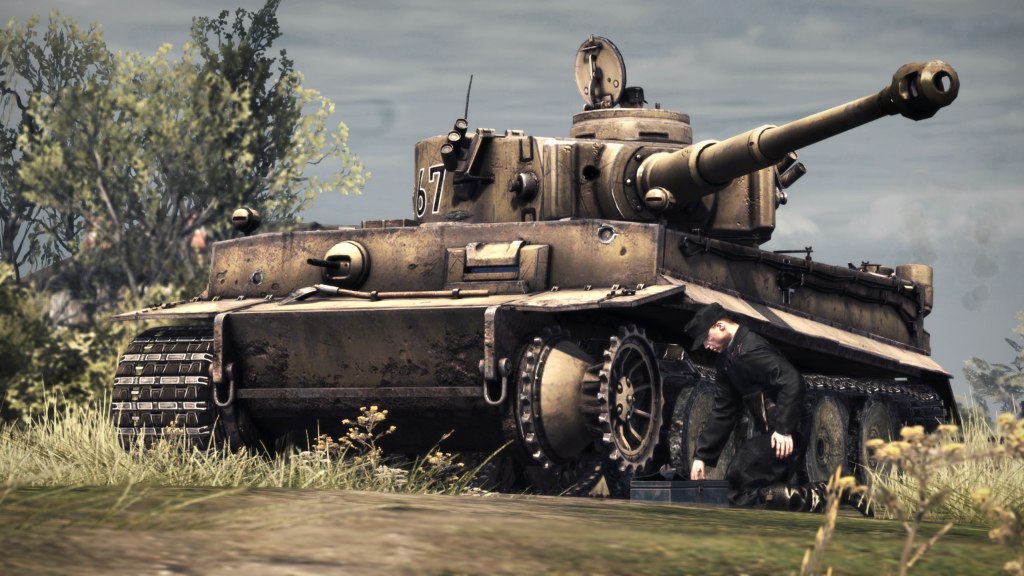
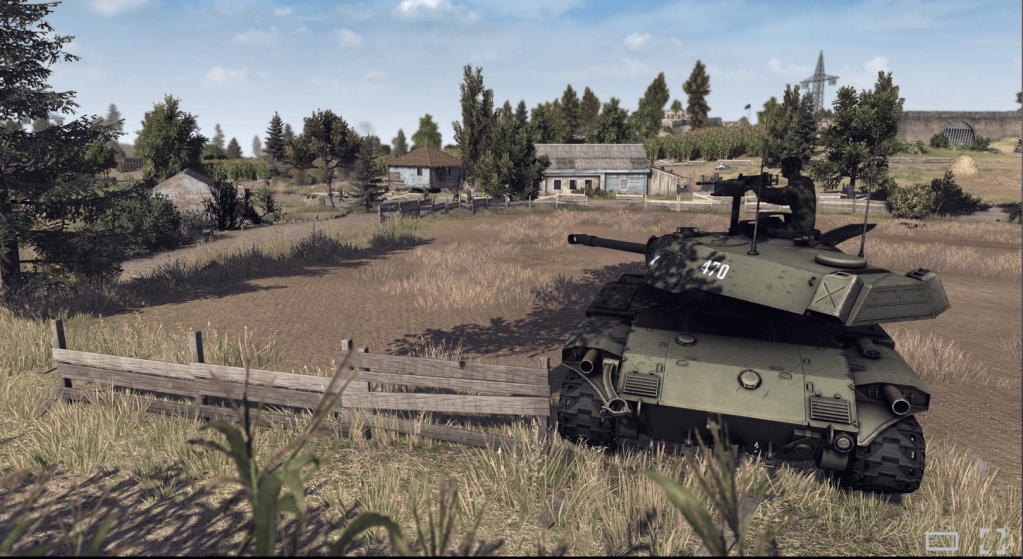
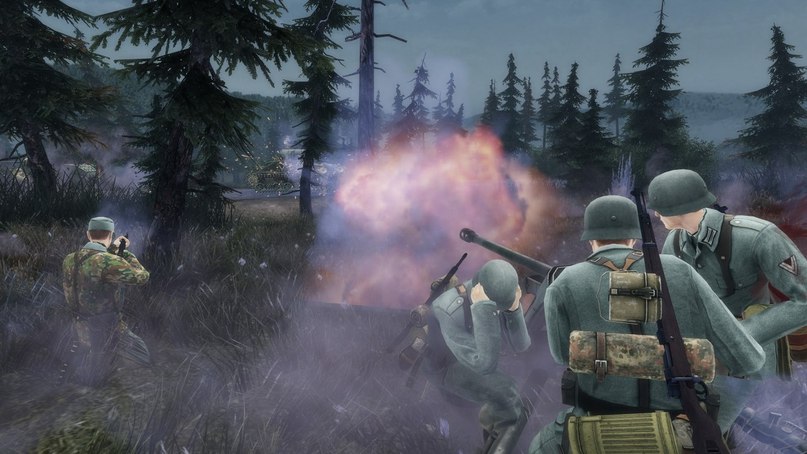
Call to Arms - Gates of Hell is a realistic World War II real-time tactics and strategy game powered by GEM2.
Players can command an entire battlefield from a classic top-down view, take third-person control of individual soldiers, and switch to first- or third-person control of vehicles. The game combines historical single-player missions with cooperative play, PvE and PvP battles, and a highly replayable dynamic campaign.
Developed by Barbedwire Studios and Digitalmindsoft, Gates of Hell grew from an independent project begun in 2015 into a continuously expanding game platform. Its development also reflects an important stage in GEM’s evolution: from the early GEM2 technology and engineering support provided by Best Way to the stable 64-bit branch used for the game’s release under the Call to Arms name.
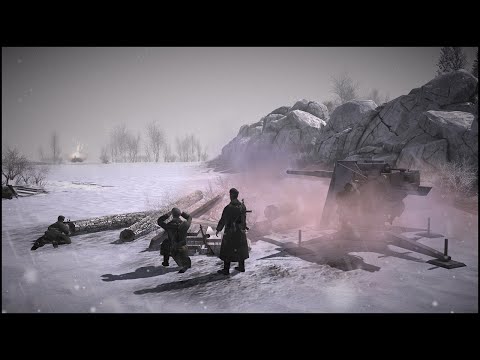
See "Call to Arms – Gates of Hell" in Action
Features
Key features
Historical missions playable in single-player or online co-op
A dynamic Conquest campaign for single-player and co-op play, with army building, unit research, progression choices, and adjustable campaign length
PvE and PvP battles featuring multiple war periods and doctrine-based army specialization
Seamless switching between top-down and third-person control for infantry
Seamless switching between top-down, third-person, and first-person control for vehicles
Detailed vehicles with historically accurate armor layouts, ammunition loadouts, fully modeled internal components, and crew positions
Simulation-driven armor penetration, ballistics, and vehicle damage, with realistic ammunition characteristics for weapons ranging from small arms to heavy artillery
Game mechanics including mines, obstacle laying, foxhole construction, air support, off-map artillery, smokescreens, medical assistance, vehicle repair, and emplacement construction
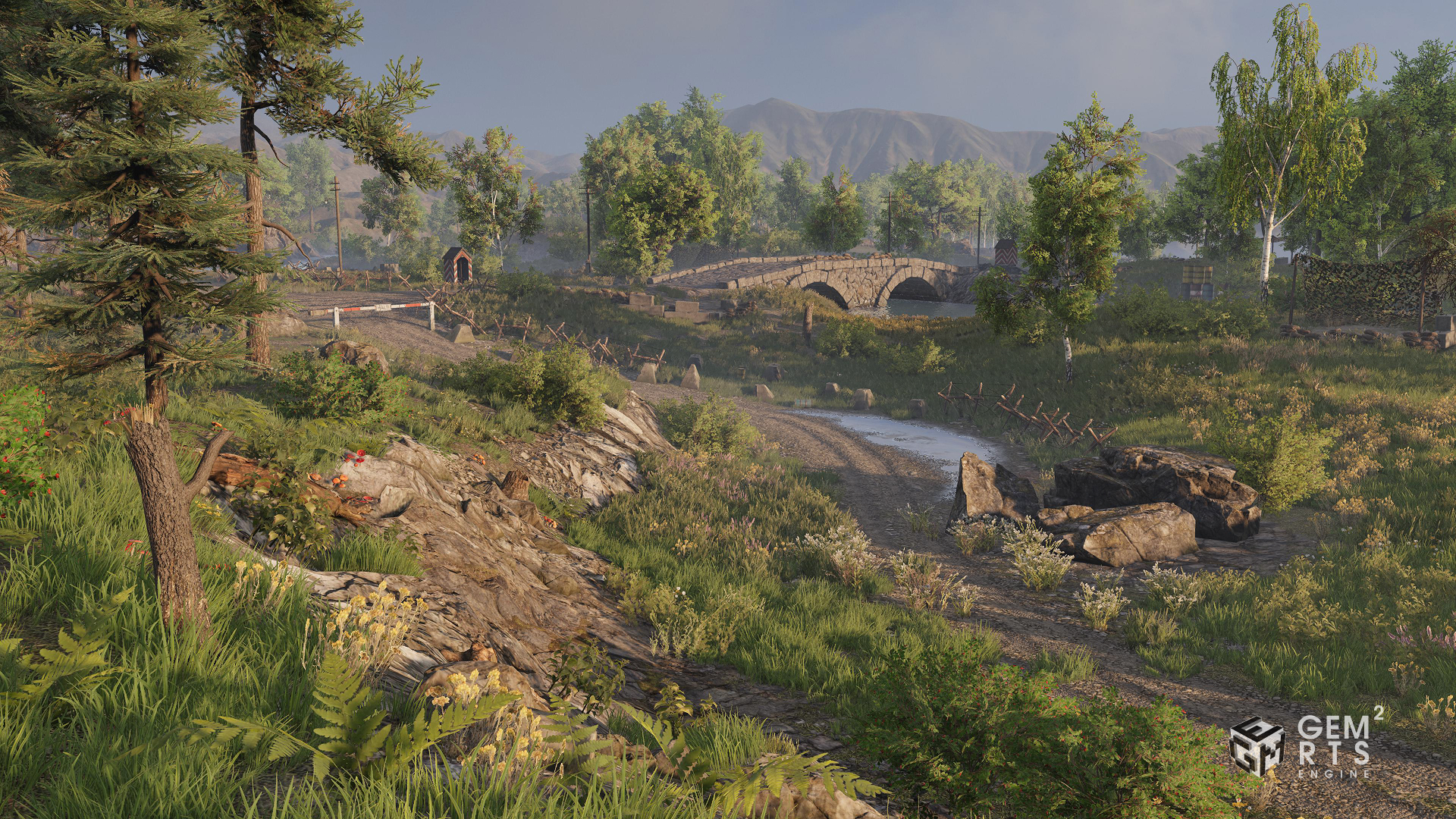
Fully destructible environments that persist from one battle to the next in Conquest mode
Authentic sound design and realistically modeled equipment
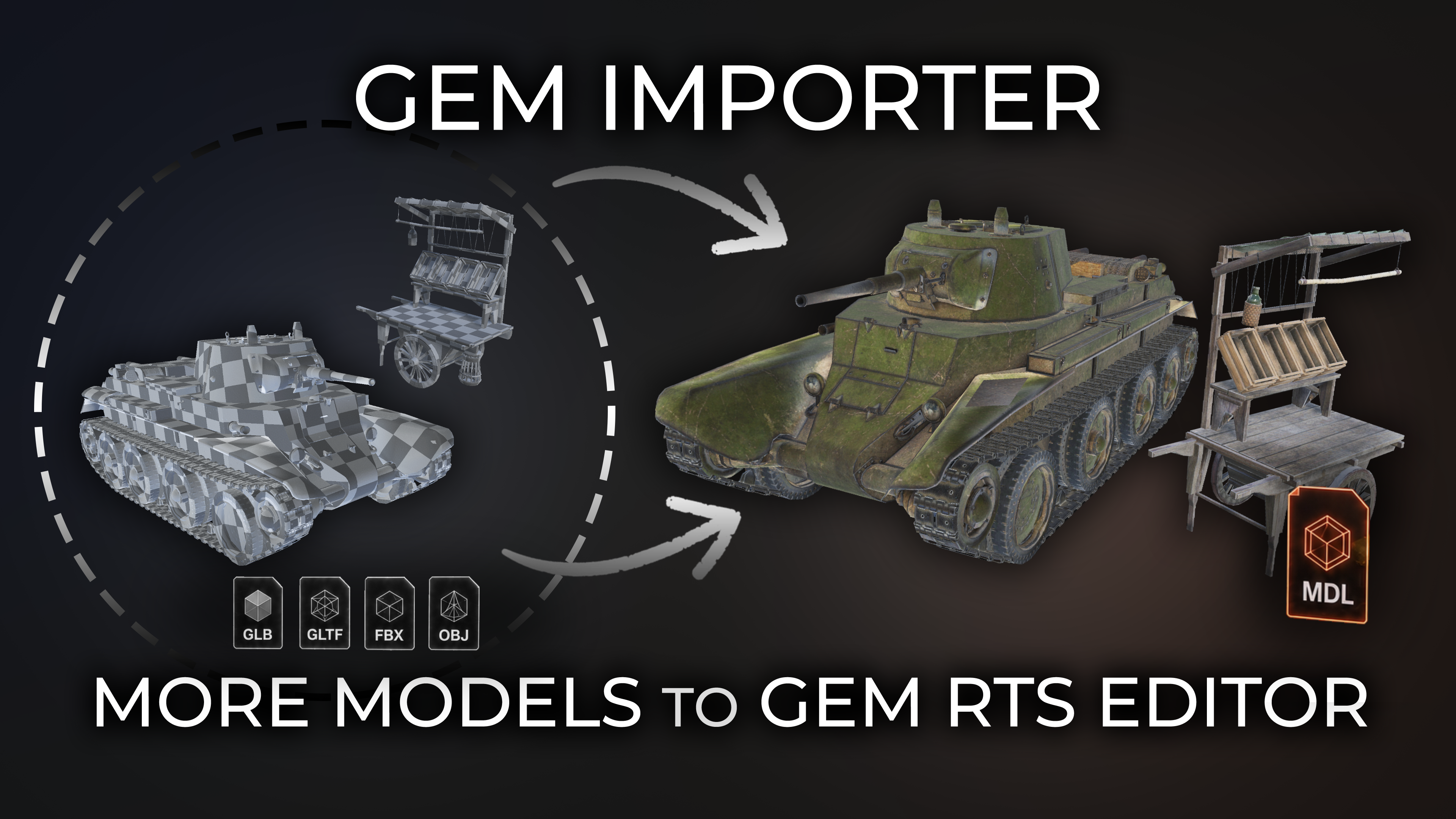
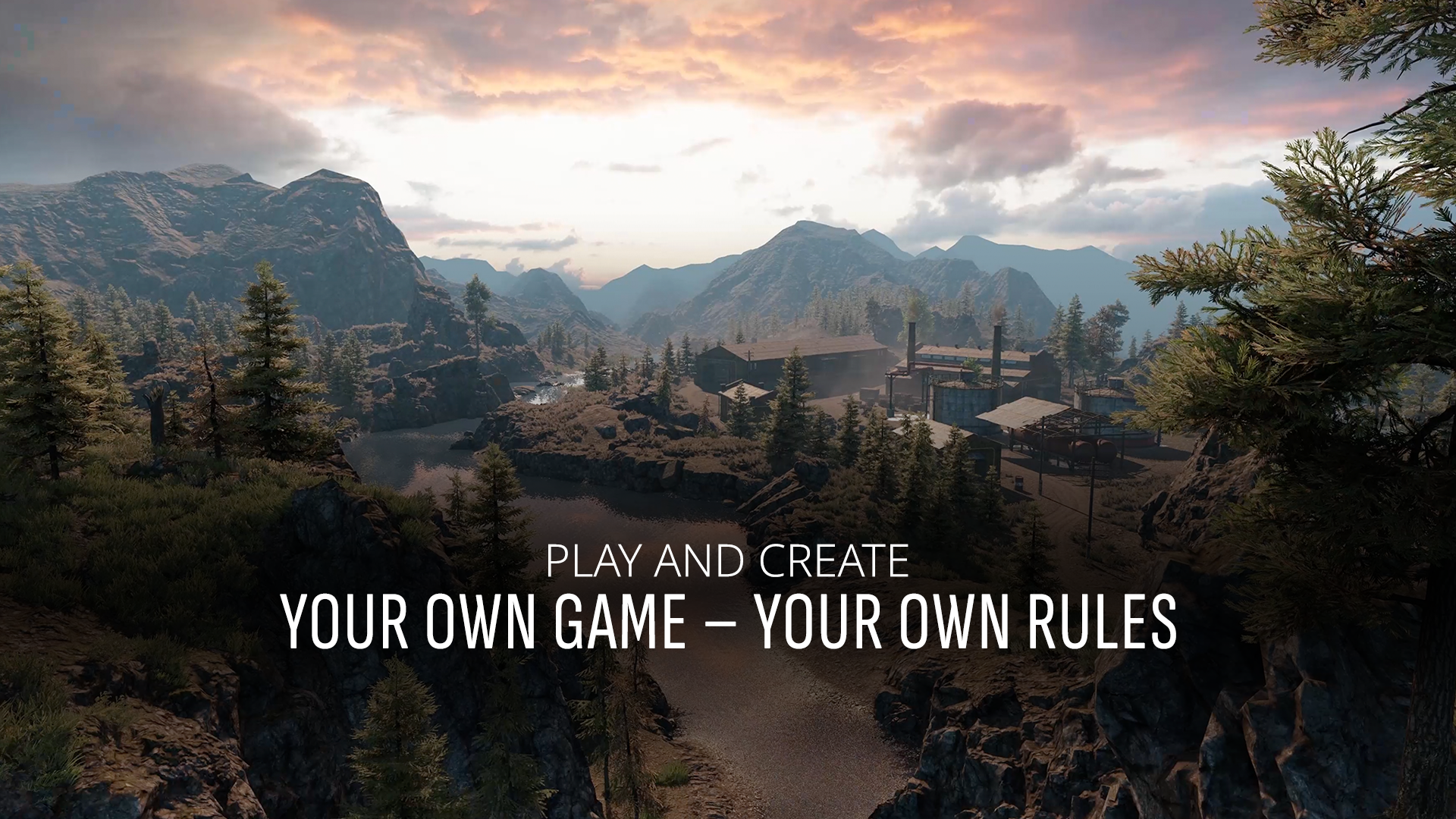
An in-game editor, modding tools, and Steam Workshop support
...a fascinating mix of the RTS and third/first-person action genres...
GameWatcher
Series Lineup
A Growing World War II Tactical Platform
June 2021Outfront
June 2022Talvisota
November 2022Scorched Earth
November 2023Liberation
October 2024Airborne
June 2025Jubilee & Supporter Pack
December 2025Finest Hour
Call to Arms - Gates of Hell: Ostfront
June 2021
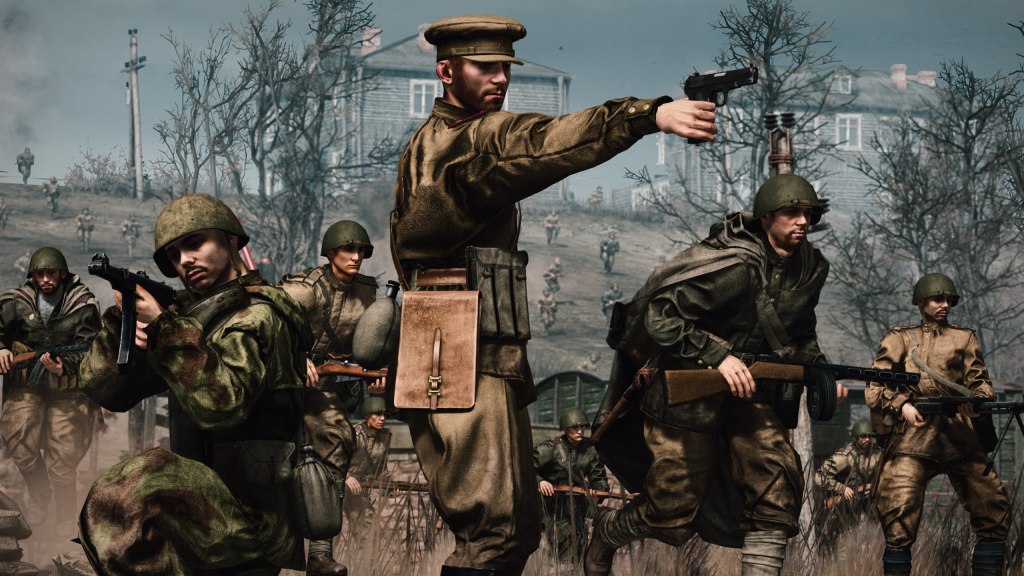
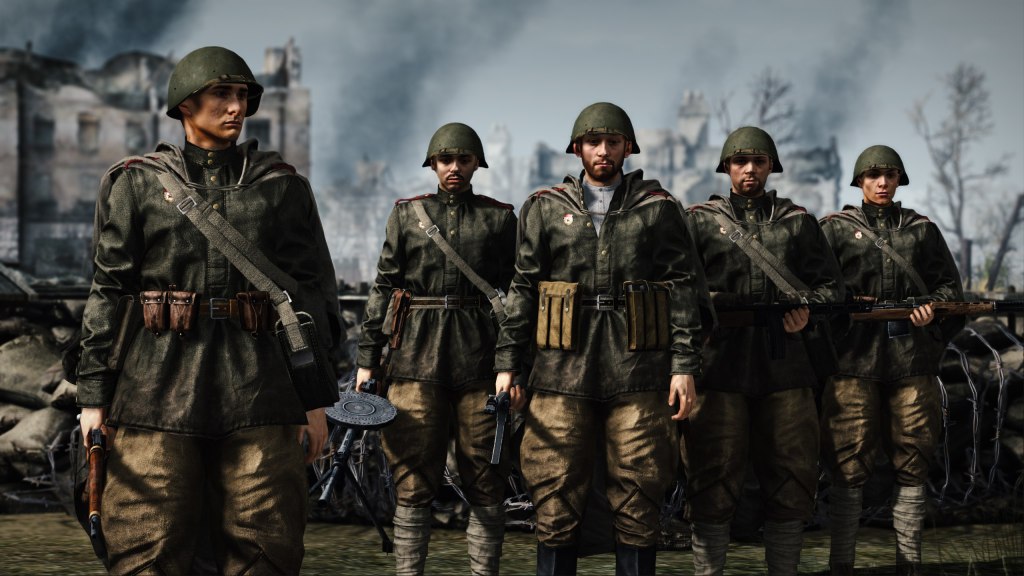
The base game covers the Eastern Front from the German invasion of the Soviet Union in June 1941 through the end of the war in 1945.
Its campaigns recreate historical locations and battles, while Conquest mode allows players to build an army, research units, and fight an evolving war across a large collection of maps. PvP and PvE modes offer different doctrines, force compositions, and early-, mid-, and late-war equipment.
Call to Arms - Gates of Hell: Talvisota
June 2022
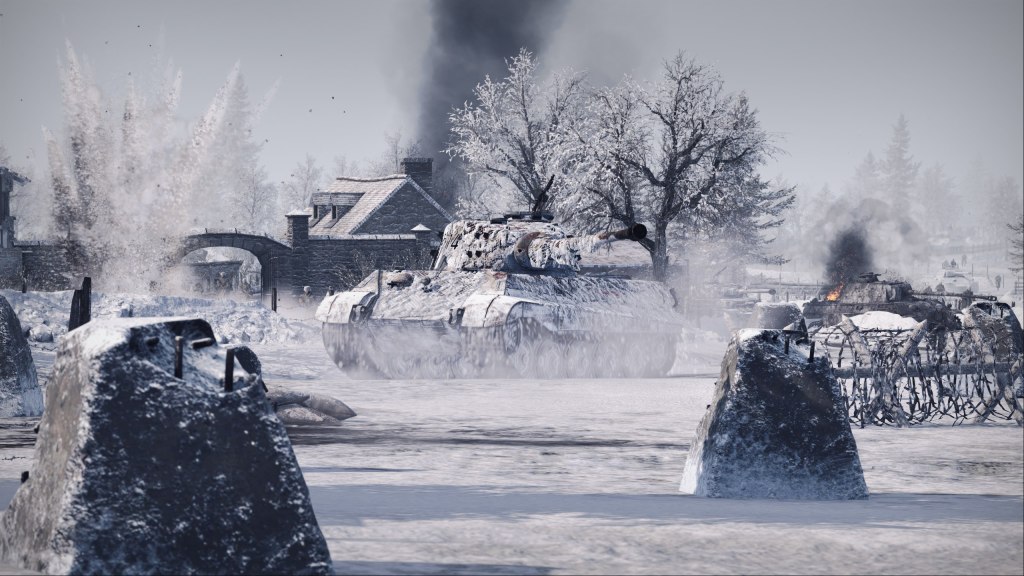
Talvisota introduced Finland, with missions and equipment spanning the Winter War, Continuation War, and Lapland War.
Its battles are shaped by snow and difficult terrain, rewarding tactical superiority and quality over quantity.
Call to Arms - Gates of Hell: Scorched Earth
November 2022
Scorched Earth expanded the Eastern Front with additional Soviet and German missions.
It also added new units and mechanics, including air reconnaissance and support airdrops, to multiplayer doctrines.
Call to Arms - Gates of Hell: Liberation
November 2023
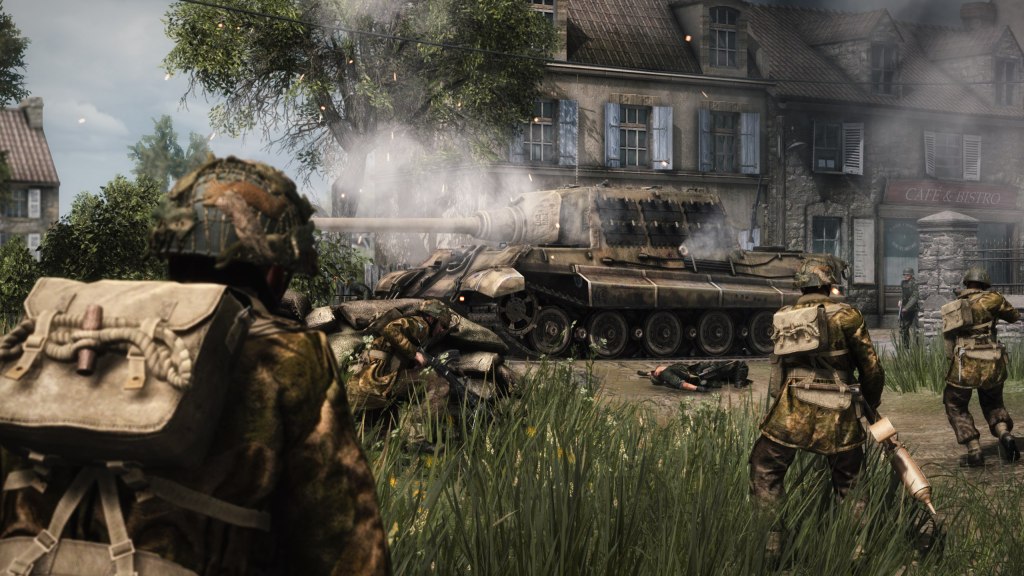
Liberation opened the Western Front and introduced the United States as a complete playable faction.
The expansion added 16 missions, more than 150 units, over 500 human skins, close to 1,000 assets, and 45 maps. Barbedwire Studios collaborated closely with Florida-based WWII Armor to recreate American equipment in greater detail. The expansion also includes a German Western Front campaign and additional German content for multiplayer and Conquest mode.
Call to Arms - Gates of Hell: Airborne
October 2024
Airborne follows the US 82nd and 101st Airborne Divisions through story-driven campaigns in Western Europe, emphasizing infantry combat and historical airborne operations.
Call to Arms - Gates of Hell: Jubilee & Supporter Pack
June 2025
Created to celebrate Barbedwire Studios’ 10th anniversary, and a decade since development of Gates of Hell began, Jubilee added free missions, maps, units, and other assets as a gift to the community.
Supporter Pack gives dedicated fans another way to support the game’s continued development. It includes an artbook, a Windows theme, a development documentary, and exclusive profile items, without locking gameplay content behind a paywall.
Call to Arms - Gates of Hell: Finest Hour
December 2025
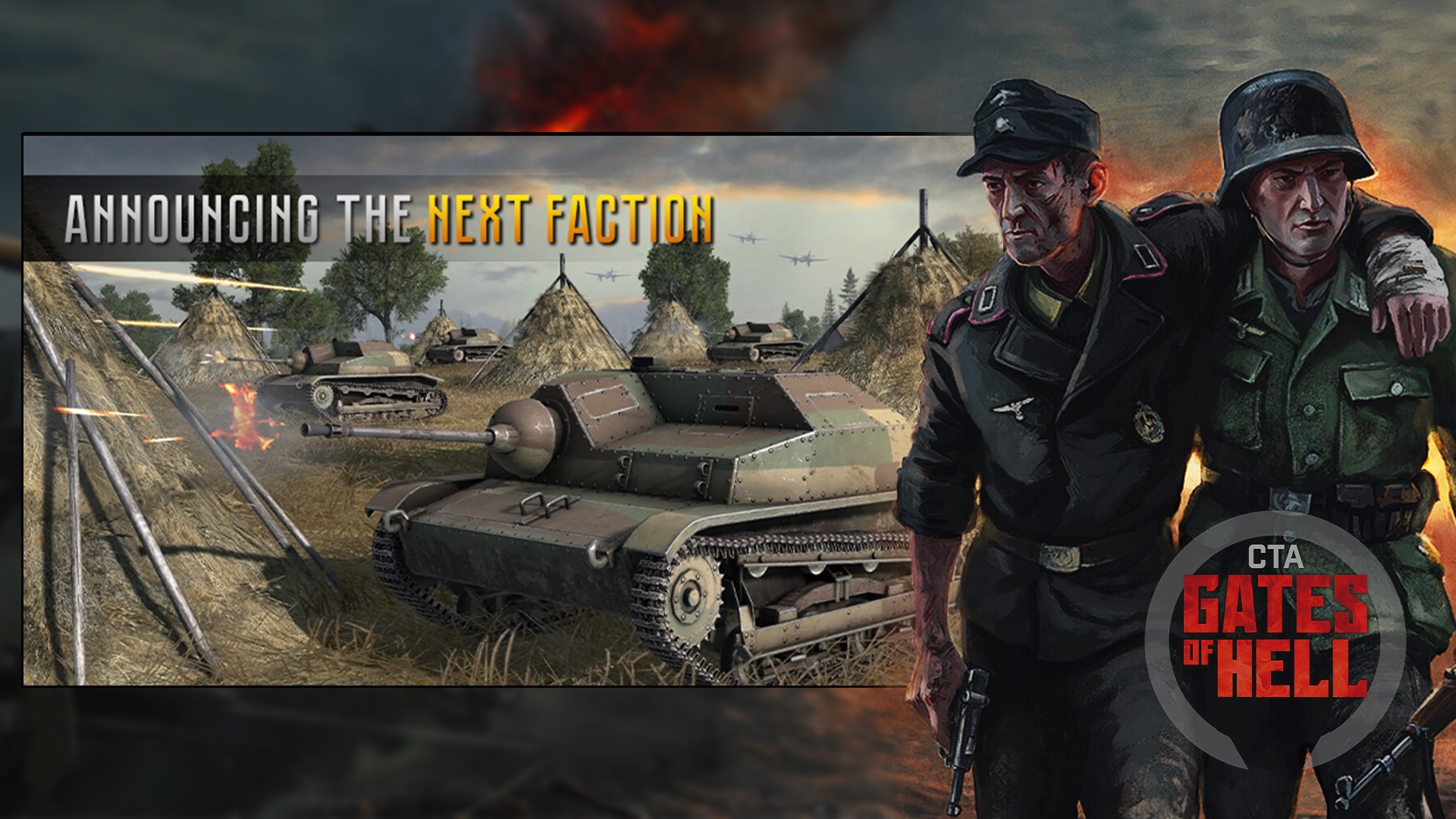
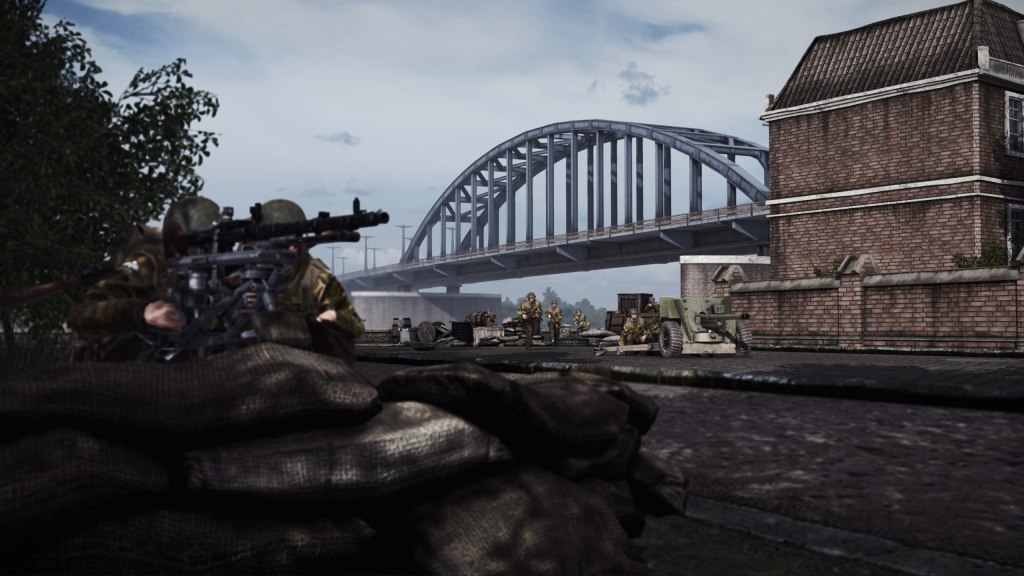
The game’s largest expansion to date added the British Commonwealth as a complete faction.
Its campaigns span the Battle of France, Normandy, Operation Market Garden, and the advance into Germany. Commonwealth units include Scottish, Irish, Welsh, Canadian, and English troops. Finest Hour also includes an additional German campaign spanning the fall of France in 1940 through 1944.
Game development · GEM case study
The Evolution of GEM 2 Into a Long-Term Game Platform
Barbedwire Studios began developing Gates of Hell with GEM2 technology and direct support from Best Way in 2015. In 2020, the project migrated to Digitalmindsoft’s 64-bit GEM2 branch, combining its refined gameplay recipe with a stable, powerful engine foundation.
The Challenge
Barbedwire Studios set out to create an independent World War II game rather than another title within the Men of War franchise.
The team wanted to push tactical realism further through historically accurate vehicles, uniforms, and mechanics, combined with slower-paced gameplay that gives players more time to assess the battlefield and make strategic choices. All maps are based on real locations and built using aerial photographs and satellite data, encouraging players to make effective use of the terrain.
This design philosophy was supported by sophisticated ballistics and armor calculations, detailed vehicle damage, authentic sounds and animations, and logistics and supply systems. To deepen immersion, third- and first-person vehicle control was added, a feature already available thanks to Digitalmindsoft’s work on Call to Arms. The team then envisioned going a step further, adding something no GEM title had offered before: the ability to switch between any control type in real time—third-person, direct control, or RTS view—at any moment, depending on the player’s preference. This strengthened immersion considerably.
Realizing this vision required extensive development. Each tank and artillery piece demanded detailed research to model its ballistics and create an accurate first-person telescopic sight. The different control modes had to be balanced against one another, while All the different war periods and factions had to play well against one another. The netcode and game architecture also required substantial development to support the new features.
Building a new engine or migrating to an unrelated one would have consumed resources better invested in the game’s defining systems and content. Barbedwire Studios therefore chose GEM2 from the outset and continues to use it today, despite the technical challenges and its small development team.
Starting With an Evolving GEM 2 Foundation
Best Way expanded its support for external GEM2 projects in 2015. Gates of Hell was among the projects the company helped bring to Steam Greenlight while developing a refreshed version of GEM2 with Steam integration, support for modern platforms, and a new interface.
The relationship went beyond access to the engine. Best Way initially acted as publisher, supplied GEM 2 and related technologies, supported the game’s public presentation, and collaborated with Barbedwire on engine-level development.
By December 2016, Barbedwire had built a strong foundation on Best Way’s GEM 2 technology. The game already incorporated:
Improved aircraft systems and damage model
Vehicle suspension, internal components, crew compartments, and enhanced damage systems
Improved vehicle and soldier animations
More advanced ballistics and armor systems, including an extensive range of new ammunition types
Improved effects, sounds, and visual technologies
Performance optimizations and new internal processes designed to improve quality without additional computational cost
This work brought the project closer to the realistic battlefield simulation Barbedwire wanted to create.
GEM provided the technological foundation, while Barbedwire developed the gameplay systems, content architecture, historical assets, missions, and presentation that gave the game its distinct identity.
The studio’s development diaries documented the depth of this work. Armor resistance, for example, could account for variables such as projectile type, caliber, velocity, trajectory, plate thickness, and angle. Historically accurate gun depression and equipment limitations could also directly affect the tactics available to players.
By 2018, Best Way was developing further engine upgrades while concentrating most of its resources on Soldiers: Arena. This delayed the development of Gates of Hell, but it also gave the project access to a more powerful platform as upgrades were developed and shared between projects.
This stage demonstrates how a specialized engine and an external development team can evolve together. Best Way provided GEM as an established technological foundation that Barbedwire could extend and shape around its vision for a more detailed and realistic battlefield.
Migrating Between Independently Developed GEM Branches
The partnership between Barbedwire Studios and Best Way ended before the game reached release. This created both a commercial and a technical challenge because Barbedwire did not hold the standalone GEM 2 license required to publish the game independently.
By 2016, Barbedwire’s GEM 2.3 branch (originally derived from Best Way’s GEM 2 technology) had already diverged substantially from the branch developed by Digitalmindsoft. The two versions used different netcode, shaders, interfaces, features, and elements of the core technology. Barbedwire expected these differences to become even more pronounced as the branches continued to evolve independently.
In 2020, Barbedwire reached an agreement with Digitalmindsoft to integrate Gates of Hell into Call to Arms. This required migrating a project developed over several years to Digitalmindsoft’s mature 64-bit GEM branch.
Despite the technical differences between the branches, the port proceeded successfully because the underlying gameplay code and editor architecture had remained compatible. Digitalmindsoft’s branch had primarily advanced the engine’s graphics and related technical systems without fundamentally changing the gameplay layer or editor.
This shared foundation allowed Gates of Hell to retain its World War II identity, gameplay systems, specialized features, and original content while gaining a reliable 64-bit architecture, mature multiplayer netcode, NVIDIA WaveWorks, and first- and third-person gameplay support. Barbedwire could preserve years of development rather than rebuild the game in Unity, Unreal, or another unrelated engine, a process the developer said could have added several years to the project. The port took approximately one year, and the game was renamed Call to Arms - Gates of Hell.
Digitalmindsoft invested in the software work required for the migration and became the game’s publisher and co-developer. Its experienced programmers worked with Barbedwire to incorporate the latest Call to Arms technology while continuing to develop new systems for Gates of Hell.
The successful migration, after years of independent development and substantial divergence between the two GEM branches, demonstrates the durability of GEM’s underlying gameplay architecture and the practical value of separating game-specific systems from the engine’s evolving technical layers.
From a Single Release to an Expandable Platform
Call to Arms - Gates of Hell: Ostfront launched on June 11, 2021, with single-player campaigns, cooperative play, PvE, PvP, dynamic Conquest, a level editor, and Steam Workshop support.
The game has received continuous updates for longer than any other title built on GEM. By the end of 2025, Barbedwire and Digitalmindsoft had released more than 50 game updates and seven DLC products, including major expansions for Finland, the United States, and the British Commonwealth.
Liberation alone added 45 maps and close to 1,000 assets, while Finest Hour represented two years of work and became the team’s largest expansion to that point.
This sustained growth provides another measure of engine maturity. Barbedwire Studios created a distinctive game with long-term appeal, while its close collaboration with the player community continues to guide the product’s development. GEM 2’s simulation systems, development tools, editor, and modding support provide a durable and adaptable platform for that growth.
Barbedwire Studios and Digitalmindsoft continue to reinvest in the game through updates, new content, and expansions. GEM 2’s combination of simulation depth, direct control, destructible environments, and integrated development tools gives it a distinctive position among technologies for tactical and strategy games.
The Outcome
By November 2025, Call to Arms - Gates of Hell had surpassed one million copies sold, while sales of its DLC continued to grow.
The project demonstrates how GEM can help development teams:
Build a distinct game on a production-proven tactical engine
Customize complex simulation systems for a specific creative vision
Combine large-scale strategy with direct infantry and vehicle control
Support single-player, cooperative, and competitive multiplayer modes
Preserve specialized gameplay and content when migrating between related engine branches
Extend a game through new factions, maps, mechanics, and visual improvements
Support modding through a flexible resource architecture, an editor, and Steam Workshop integration
Turn an independent project into a long-term commercial platform
For studios developing strategy, tactical, or simulation-driven games, the project demonstrates the value of starting with proven technology. GEM’s combination of direct control, detailed vehicle mechanics, physical simulation, destructible environments, multiplayer systems, and extensible development tools allowed the team to focus its creative resources on what makes the game distinctive.
The result is a strong example of how GEM technology can be customized, migrated, and expanded into a successful long-term game platform.
Interested in developing your own game with GEM technology? Explore our game engine solutions and partnership opportunities.
Join our community on Discord
Stay connected
Subscribe to the Best Way Email List
Sign up for our email newsletter to get info on game announcements and updates, details on special events and offers, and more from Best Way and our affiliates
Manage Consent
To provide the best experiences, we use technologies like cookies to store and/or access device information. Consenting to these technologies will allow us to process data such as browsing behavior or unique IDs on this site. Not consenting or withdrawing consent, may adversely affect certain features and functions.
Functional
Always active
The technical storage or access is strictly necessary for the legitimate purpose of enabling the use of a specific service explicitly requested by the subscriber or user, or for the sole purpose of carrying out the transmission of a communication over an electronic communications network.
Preferences
The technical storage or access is necessary for the legitimate purpose of storing preferences that are not requested by the subscriber or user.
Statistics
The technical storage or access that is used exclusively for statistical purposes.The technical storage or access that is used exclusively for anonymous statistical purposes. Without a subpoena, voluntary compliance on the part of your Internet Service Provider, or additional records from a third party, information stored or retrieved for this purpose alone cannot usually be used to identify you.
Marketing
The technical storage or access is required to create user profiles to send advertising, or to track the user on a website or across several websites for similar marketing purposes.